

Signs of Mice in Your House
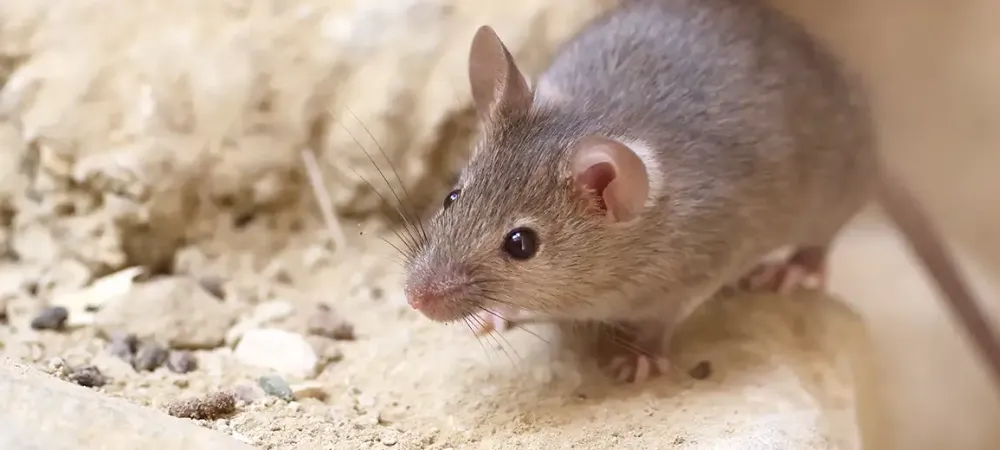
Mice often stay hidden, so homeowners may notice evidence of their activity before seeing an actual mouse. Common signs of mice in a house include droppings, scratching or scurrying sounds, gnaw marks, nesting material, unusual odors, and tracks or greasy marks along walls.
Recognizing these signs early can help determine where mice may be active and whether the problem is isolated or more widespread.
Mouse Droppings Around the Home
Mouse droppings are one of the most common signs that mice are active inside a house. They are typically small, dark, and shaped somewhat like grains of rice, with pointed or tapered ends.
Droppings are often found near areas where mice travel, eat, or nest, including:
- Inside kitchen cabinets and drawers
- Under sinks
- Behind refrigerators and stoves
- Along basement or garage walls
- Inside pantries
- Near stored food
- In attics and crawl spaces
- Around boxes or stored belongings
The location and amount of droppings can provide clues about where mice are spending the most time or help you distinguish between a mouse and other small rodents. Finding droppings in several areas of the house may indicate that mice are moving between multiple rooms or nesting locations.
Mouse droppings should also be handled carefully. Avoid sweeping or vacuuming dry droppings, since disturbing contaminated material can send particles into the air.
Scratching and Scurrying Sounds
Scratching, rustling, or scurrying noises inside walls and ceilings can indicate mouse activity. Because mice are generally most active after dark, homeowners often notice these sounds at night when the house is quieter.
Sounds may come from:
- Interior walls
- Ceilings
- Attics
- Crawl spaces
- Cabinets
- Areas behind appliances
Light scratching may occur as mice move through wall voids, while gnawing or rustling sounds can indicate nesting or feeding activity.
The location of the noise can help narrow down where mice are traveling, although sound alone does not always reveal exactly where a nest is located.
Gnaw Marks and Chewed Materials
Fresh gnaw marks can be another indication that mice are living inside a home. Mice have continuously growing teeth and regularly chew on materials they encounter.
Damage may appear on:
- Cardboard boxes
- Food packaging
- Wooden surfaces
- Plastic containers
- Stored belongings
- Insulation
- Electrical wiring
Small holes in cereal boxes, bags of pet food, or other stored products can be especially noticeable in kitchens and pantries.
Chewed wiring is a more serious concern because damaged electrical components may create a fire hazard. Any visibly damaged wiring should be evaluated and repaired appropriately.
Mouse Nests and Nesting Materials
Finding shredded material gathered in a concealed area can indicate that mice have established a nest. Mice typically choose protected spaces close to food, water, and relatively undisturbed areas.
Common nesting materials include:
- Shredded paper
- Cardboard
- Fabric
- Fiberglass insulation
- Dried plant material
- Soft packaging materials
Nests may be hidden inside wall voids, cabinets, attics, garages, storage areas, or behind large appliances.
A pile of shredded material does not automatically confirm mouse activity, but when it appears alongside droppings, gnawing, or other signs, it becomes much stronger evidence of an infestation.
Grease Marks and Mouse Tracks
Dark smudges along walls or baseboards can develop where mice repeatedly travel along the same route. Oils and dirt from their fur may gradually leave greasy marks on surfaces they frequently brush against.
Mice tend to stay close to walls and other objects rather than crossing large open areas. This behavior can create recognizable travel paths between nesting areas and food sources.
In dusty areas, you may also notice:
- Small footprints
- Tail marks
- Disturbed dust
- Tracks along shelves or basement floors
These signs can be particularly useful in garages, attics, basements, and storage rooms where surfaces are not cleaned as frequently.
Unusual or Persistent Odors
A persistent musky smell can be a sign of mice, particularly when an infestation has been active for some time. Mouse urine can produce noticeable odors in enclosed spaces such as cabinets, closets, wall voids, and storage areas.
The smell may become stronger near nesting or high-activity areas.
A particularly strong or unusual odor may also result from a dead mouse trapped somewhere inside the structure. These smells can sometimes seem to come from walls, ceilings, vents, or areas behind appliances.
Damaged or Contaminated Food
Food packaging that has been chewed open can be a clear indication that mice are searching for food inside the home. Mice can access a wide range of stored products and may contaminate food even when they consume only a small amount.
Potential signs include:
- Small holes in boxes or bags
- Scattered crumbs
- Droppings inside cabinets
- Torn food packaging
- Food moved or disturbed overnight
Pet food, birdseed, cereal, grains, snacks, and other dry goods can all provide an accessible food source.
Any food that shows signs of rodent contact should generally be discarded rather than consumed.
Seeing a Mouse Indoors
Seeing a live mouse is an obvious sign of activity, but one sighting does not necessarily mean there is only one mouse in the house. Mice are secretive and often remain concealed during periods when people are active.
A mouse seen during the daytime can sometimes indicate increased activity or competition for food and nesting space, although daytime sightings alone cannot determine the size of an infestation.
Rather than focusing only on the mouse that was seen, it is important to look for additional evidence such as droppings, nesting material, gnaw marks, and potential entry points.
Where Mice Commonly Hide
Mice usually hide in protected areas that allow them to remain close to food and travel routes. Their small size allows them to access spaces homeowners may rarely inspect.
Common hiding locations include:
- Behind refrigerators and ovens
- Under kitchen cabinets
- Inside wall voids
- Attics
- Crawl spaces
- Basements
- Garages
- Utility rooms
- Storage boxes
- Areas around water heaters or furnaces
Rooms with stored food, clutter, insulation, or limited human activity can be especially attractive.
Finding evidence in one location does not necessarily mean the mice remain there. They may travel throughout the house while searching for food and water.
Does One Mouse Mean You Have an Infestation?
Seeing one mouse does not confirm how many mice are inside the house, but it does warrant further inspection. Because mice tend to remain hidden and can reproduce quickly, visible activity may represent only part of the problem.
Look throughout the home for several indicators rather than relying on a single sign. Multiple droppings, repeated nighttime noises, fresh gnaw marks, and evidence in several rooms can suggest more established activity.
The most important next step is determining where mice are active and how they are getting inside.
What to Do If You Find Signs of Mice
If you notice evidence of mice, focus on identifying the extent of the activity and possible entry points rather than simply removing the signs you can see. Cleaning up droppings or catching an individual mouse may not address openings that allow additional rodents to enter.
A thorough mouse inspection typically looks for:
- Active nesting and travel areas
- Food and water sources
- Exterior gaps and openings
- Utility penetrations
- Damaged door or garage seals
- Openings around foundations, vents, and rooflines
Professional rodent control can help identify where mice are entering, address existing activity, and determine what exclusion measures may help reduce the chance of them returning.