
Wasp Exterminator in Denver
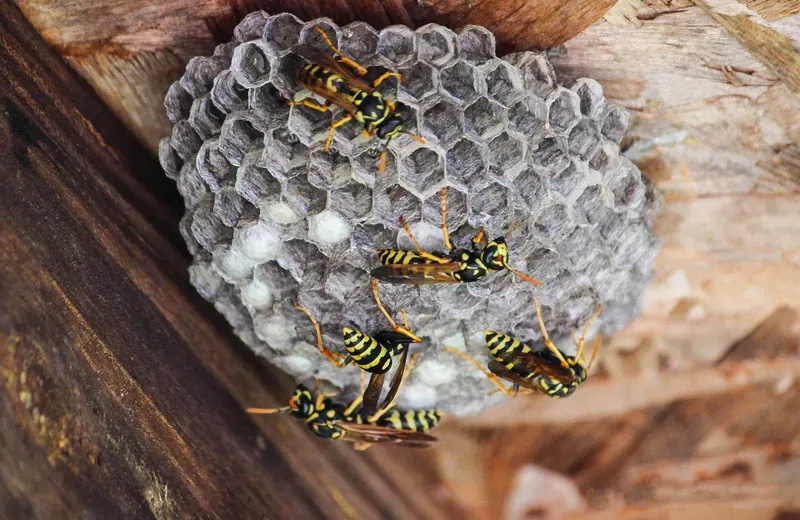
Wasps can be found in many different areas – nesting in attics, under eaves, in retaining walls, or in the ground. Like bees, wasp colonies can become large and pose a threat to your property. If wasps invade your attic, they may penetrate your drywall and eventually swarm your home. Our wasp specialists are experts at identifying wasps and other stinging insect nesting locations. They can effectively treat and remove wasps’ nests that may cause concern for your home and property. We also offer stinging insect maintenance plans to treat common nesting sites for ongoing wasp exterminator needs.
Expert Wasp Removal Services
Wasps can be dangerous, and their nests can cause damage to your property. Our wasp removal services are designed to safely and effectively remove wasps from your property. We'll work quickly and carefully to remove the wasps and their nest. We'll be happy to answer any of your questions and provide you with a quote for our services.



Tips for Limiting Wasp Activity on Your Property
- Keep bright flowers and other foliage away for the perimeter of your home
- If you use wasp catchers, make sure to install them away from the structure of your home as they can actually attract the wasps
- Don’t leave garbage or any food items outside for wasps to feed on
- Schedule regular pest maintenance to address prime wasp nest building areas on your property – be consistent with wasp treatments Spring-Fall for the best results
Types of Wasps in Denver
Yellowjackets
Yellowjackets are social wasps known for their distinctive yellow and black striped bodies and aggressive behavior. Unlike honeybees, they can sting multiple times because their stingers are not barbed. These insects live in colonies ranging from a few dozen to several thousand and build nests in various locations, including underground and in tree branches. Their nests are constructed from a paper-like material made of chewed wood fibers and saliva, and they can grow quite large over the season.
Bald-Faced Hornets
Bald-faced hornets are a type of social wasp recognized by their black bodies and white markings on the face and abdomen. These hornets are known for their aggressive defense of their nests, which are typically built high in trees or shrubs and made from a paper-like material created from chewed wood fibers. They live in colonies that can contain several hundred to over a thousand individuals. Bald-faced hornets primarily feed on nectar and other insects, playing a role in pollination as well as pest control. Their nests can become quite large, with some reaching over three feet in length, and they often remain active until late fall.
Paper Wasps
Paper wasps are social insects distinguished by their slender, elongated bodies and reddish-brown or yellowish coloration. They build their nests out of a paper-like material made from chewed wood fibers mixed with saliva, often constructing these nests in sheltered areas like under eaves, in shrubs, or on tree branches. Unlike yellowjackets and bald-faced hornets, paper wasps generally create smaller nests with fewer individuals, usually numbering between a few dozen to around 200 wasps. They primarily feed on nectar and are also known to capture small insects to feed their larvae.
Mud Dauber Wasps
Mud daubers are solitary wasps known for their slender bodies and distinctive nesting behavior. They construct their nests from mud, shaping them into tubular structures typically found on walls, in eaves, or in sheltered areas. Unlike social wasps, mud daubers do not live in colonies; instead, each female builds and provisions her own nest. They primarily feed on spiders, capturing them to paralyze and store in their nests as food for their larvae. Mud daubers are generally non-aggressive and rarely sting unless provoked, making them less of a nuisance compared to other wasps. Their unique nesting habits and role in controlling spider populations contribute to their ecological importance.
Bee Removal in Denver
If honeybees choose to build a hive inside the structure of your home, you may hear a buzzing sound inside your walls or attic space. Left untreated, the hive may cause damage to drywall as the honey oozes inside the wall cavity. The sweetness of the honey may also attract other insects or mice to feed.
Our bee experts will work to identify bee access points. If possible, we will refer you to a beekeeper for humane bee removal and relocation. However, we are able to treat to neutralize the hive if necessary. We also offer services to open the area of concern and remove the beehive after it has been treated. Once all accessible organic debris has been removed, we can repair and seal the area against future bee entry. By doing so, we can protect your home against unwanted damage and secondary infestations.
Frequently Asked Questions
Are the products safe for vegetables and crops?
The spray products we use are safe to touch once it has dried out. However, the spray products should NOT be applied to produce and vegetables. We also don’t treat directly in areas that have flower plants, vegetables, or produce. We spray on structures like eaves, soffits, and roof lines.
Can I cancel my service?
Yes, but if you cancel before completing the 12-month service agreement, a buyout fee may apply. The buyout fee is the total of the discounted initial charge listed in the agreement plus any remaining balance. If you did not receive a discounted initial charge, there is no termination fee.
Do you guarantee your treatment?
Yes, if you are on a maintenance plan, follow-up treatments for the target pest are included in the service.
Do you treat for pests during the winter?
Yes. Treating each quarter is important to maintain control of pest populations throughout the season. We have ample warm weather throughout the winter in Colorado, and pest populations continue to reproduce. Plus, it's always “summer” in your home, and treating each quarter allows us to keep the barrier fresh and active to keep optimal control of pest populations.
Is the treatment safe for my pets?
Yes, our treatments are safe for pets. We do ask that pets and children stay out of the treated areas while the product is being applied and until it has dried, which typically takes 30 to 120 minutes. After that, it's safe to touch.
Do you treat for pests if there is snow?
For insect services, we utilize different products to provide optimal pest control during different weather conditions. While the service may be postponed during periods of heavy snowfall, we do not cancel the quarter, as that can have a negative impact on population management.
What products do you use?
The technician will choose the best product based on their assessment of your pest activity. They may use a liquid, granular, or bait.
Are you treating for stinging insects in the winter?
While stinging insects like bees and wasps may not be as prevalent during the winter months, our comprehensive pest control service aims to address a wide range of pest issues throughout the year. Even though the focus might shift to other pests during winter, our treatment plans encompass preventive measures and the elimination of various pests that could potentially affect your property. This ensures that your home remains protected year-round.
Therefore, the billing amount remains consistent each quarter, reflecting the comprehensive pest management service we provide. If you have any specific concerns about stinging insects or any other pests during the winter, we're always here to address them and tailor our treatments accordingly.
Can stinging insect control be part of a recurring service?
Yes. Nest and structural treatments can be included in some of our pest maintenance plans, providing ongoing protection and monitoring to reduce the likelihood of new nests forming.
How can I prevent stinging insects from building nests on my property?
Regular inspections, removal of potential nesting materials, and structural treatments in high-risk areas can help deter nest-building. Our team can create a customized plan to protect your home or business.
Is it safe to handle stinging insect nests myself?
No. Stinging insects can be aggressive and dangerous when disturbed. Our trained professionals use safe, effective methods to remove and treat nests without putting you at risk.
What types of stinging insects do you treat?
We handle a wide range of stinging insects, including wasps, hornets, and yellow jackets. Our services target both visible nests and hidden ones in walls, columns, landscaping, or the ground.
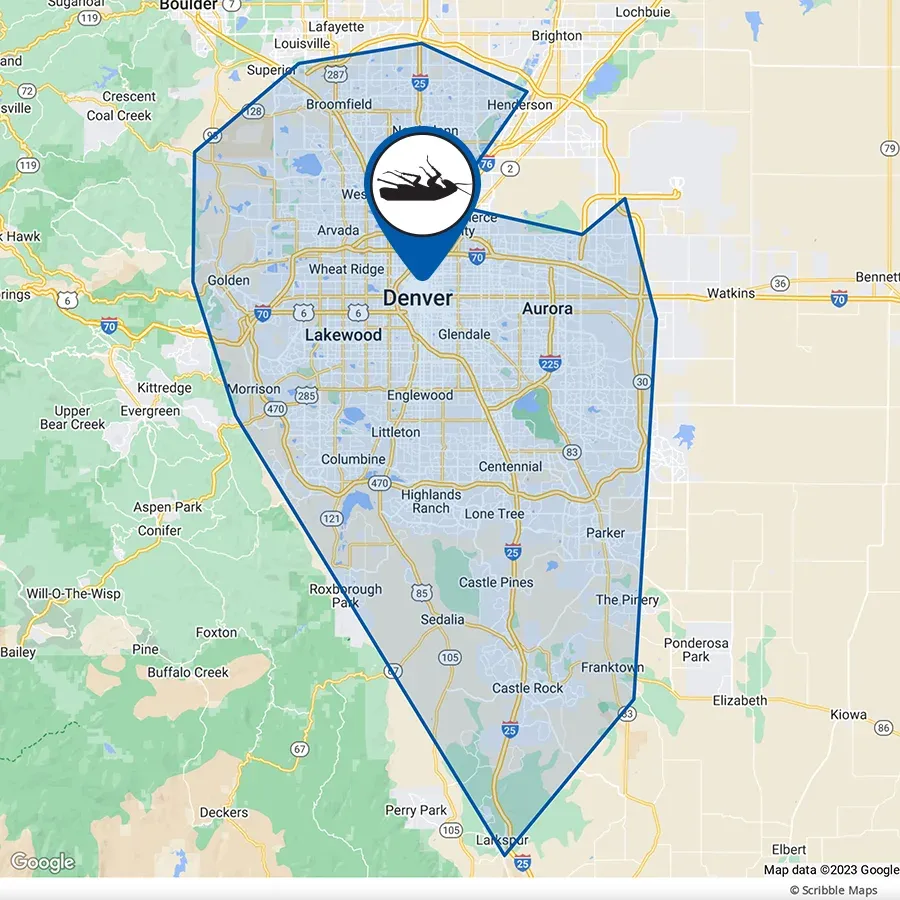
Wasp Control Service Area
As a local company, Whitmore is proud to provide stinging insect and wasp control services to our Colorado neighbors. Our comprehensive treatments have been helping customers since 2011, and we wouldn’t want to be anywhere else! See if we service your city: